Inside Martin Garrix’s Explosive Takeover at The Armory
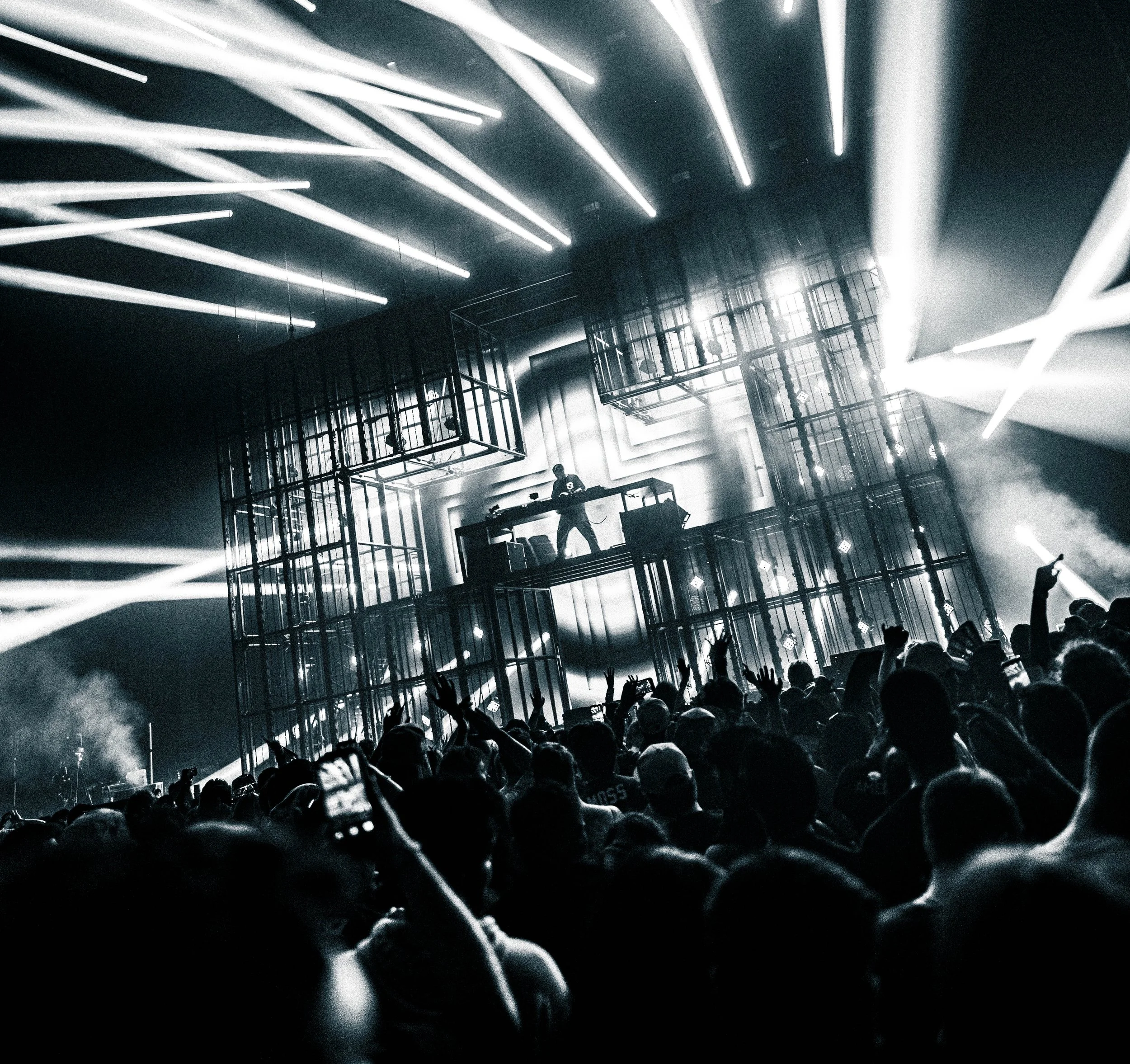
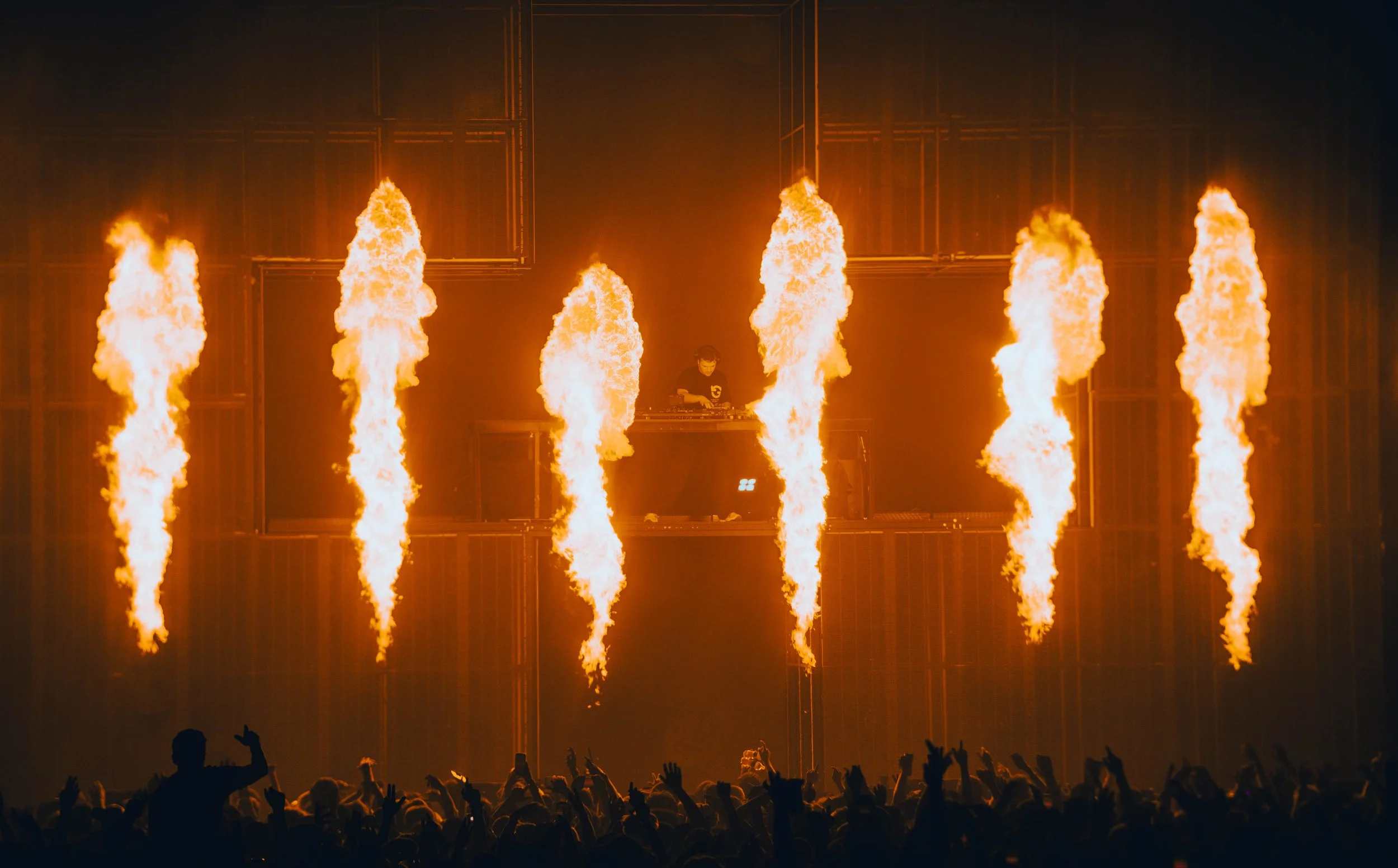
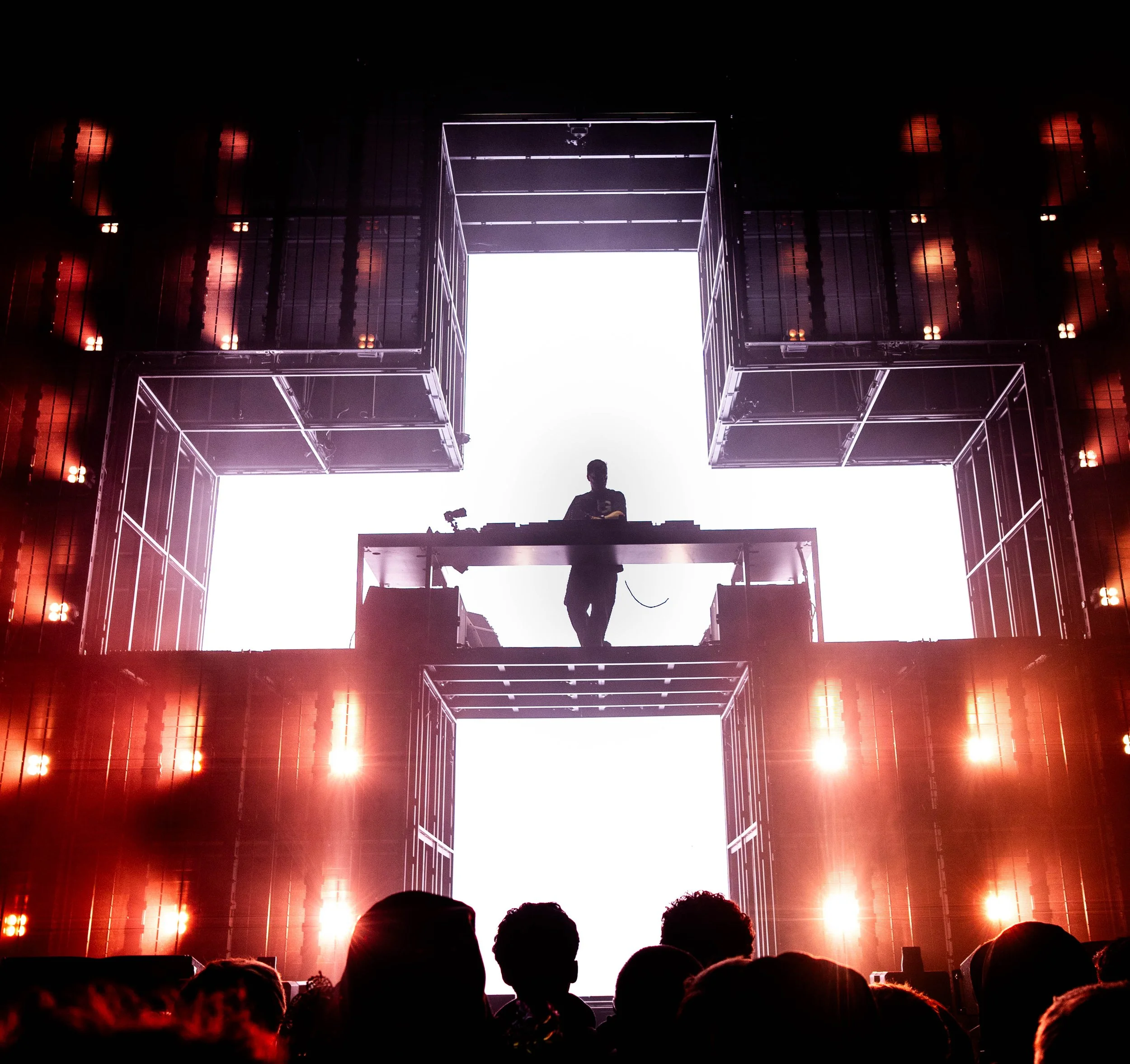
Martin Garrix emerged behind the glowing LED wall at The Armory, the crowd had already been pushed into overdrive. But the moment the opening synths hit and the first blast of pyro exploded across the venue, it became clear this wasn’t just another concert it was a spectacle engineered moment for maximum emotional release. You could feel all the energy that everyone’s been waiting for Martin Garrix.
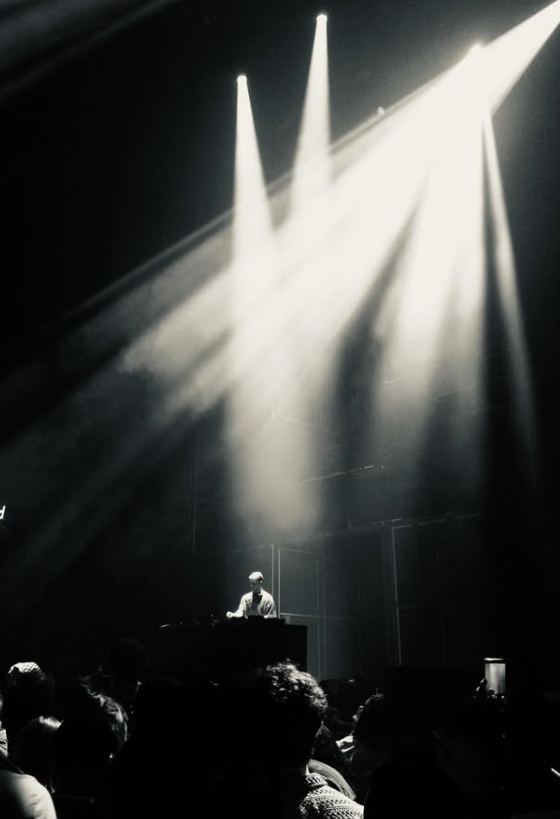
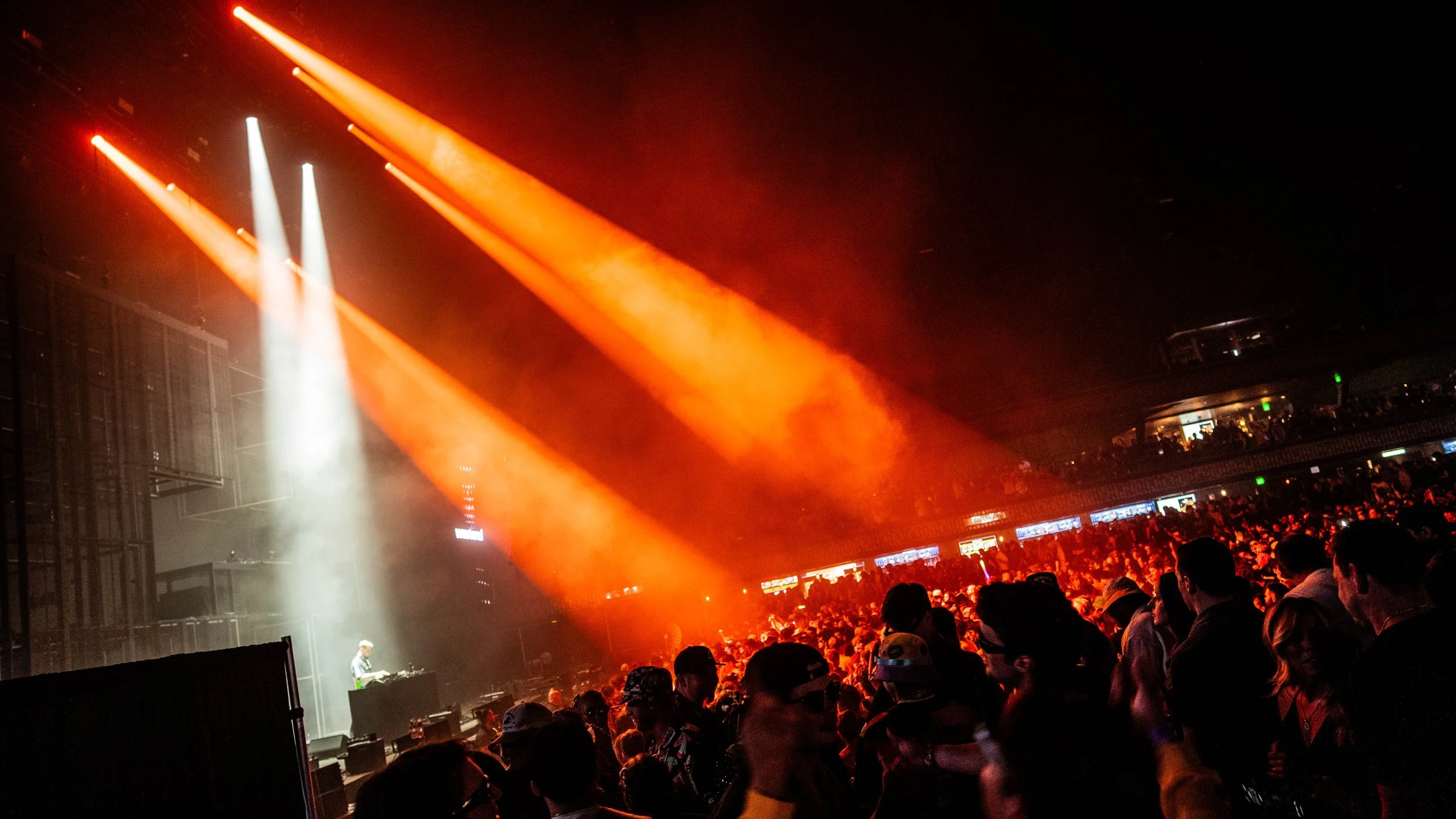
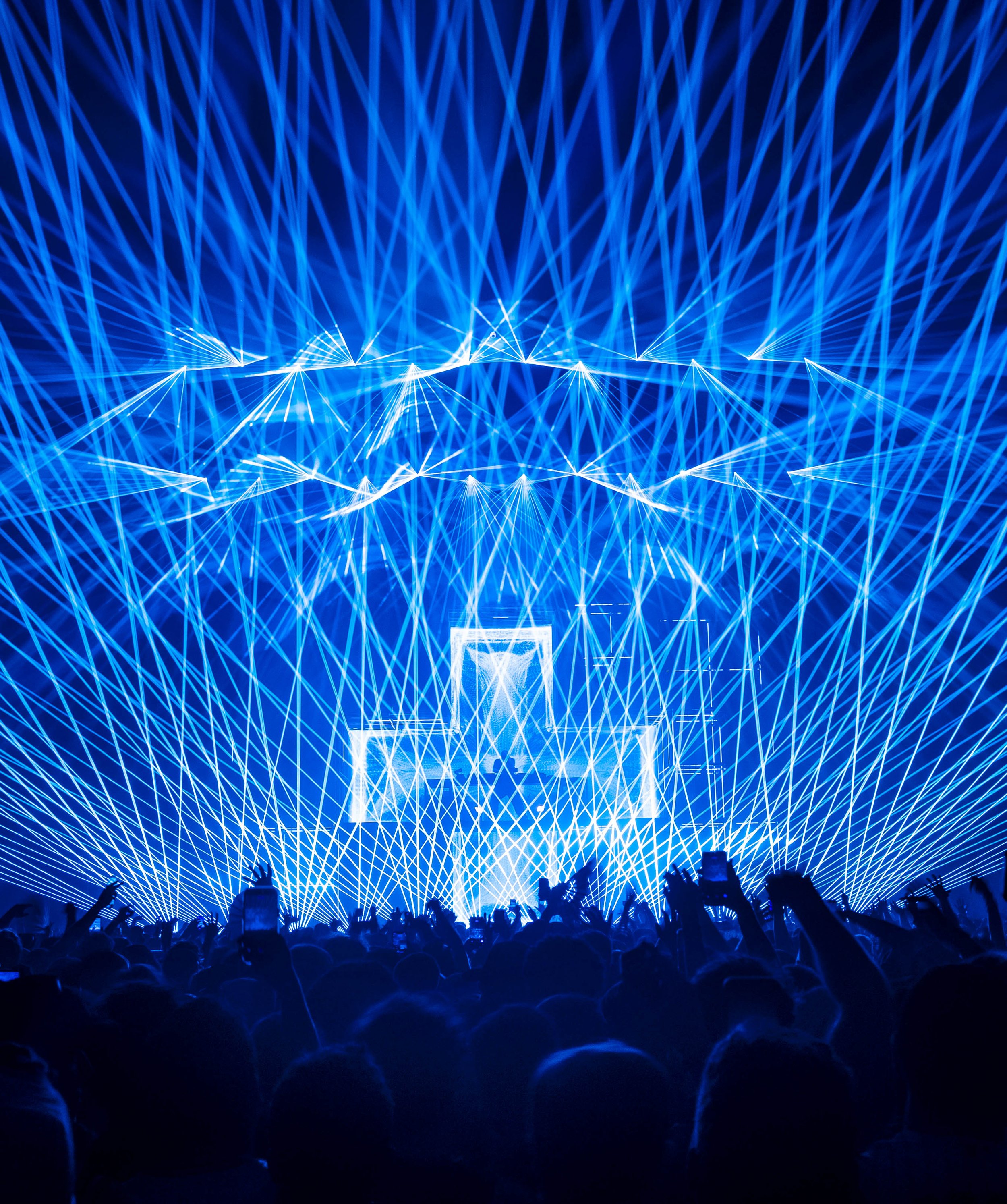
The production was staggering. Lasers sliced through clouds of haze in geometric patterns while towering visuals pulsed behind Garrix in sync with every drop. At times, the venue felt less like a concert hall and more like the inside of a living light machine. The Armory’s industrial layout only amplified the effect concrete walls reflecting bass frequencies so intensely that every kick drum felt physical.
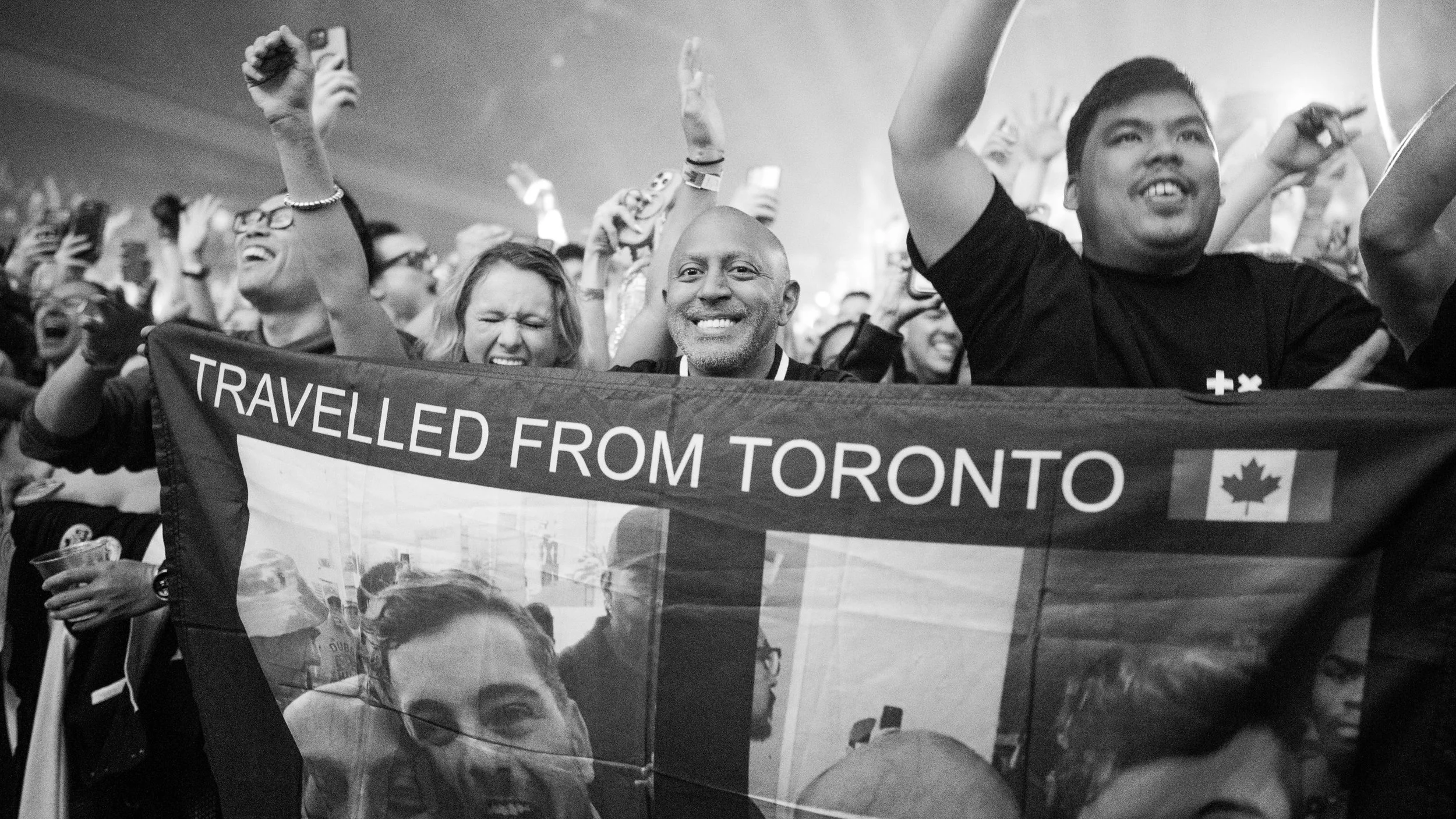
Still the real power of the night came from the crowd connection. Garrix has always had a rare ability to make massive venues feel strangely personal. Thousands of fans screamed every lyric back at him, phones raised like stars across the darkened room. During the emotional peaks, the atmosphere shifted from chaotic dance party to communal release.
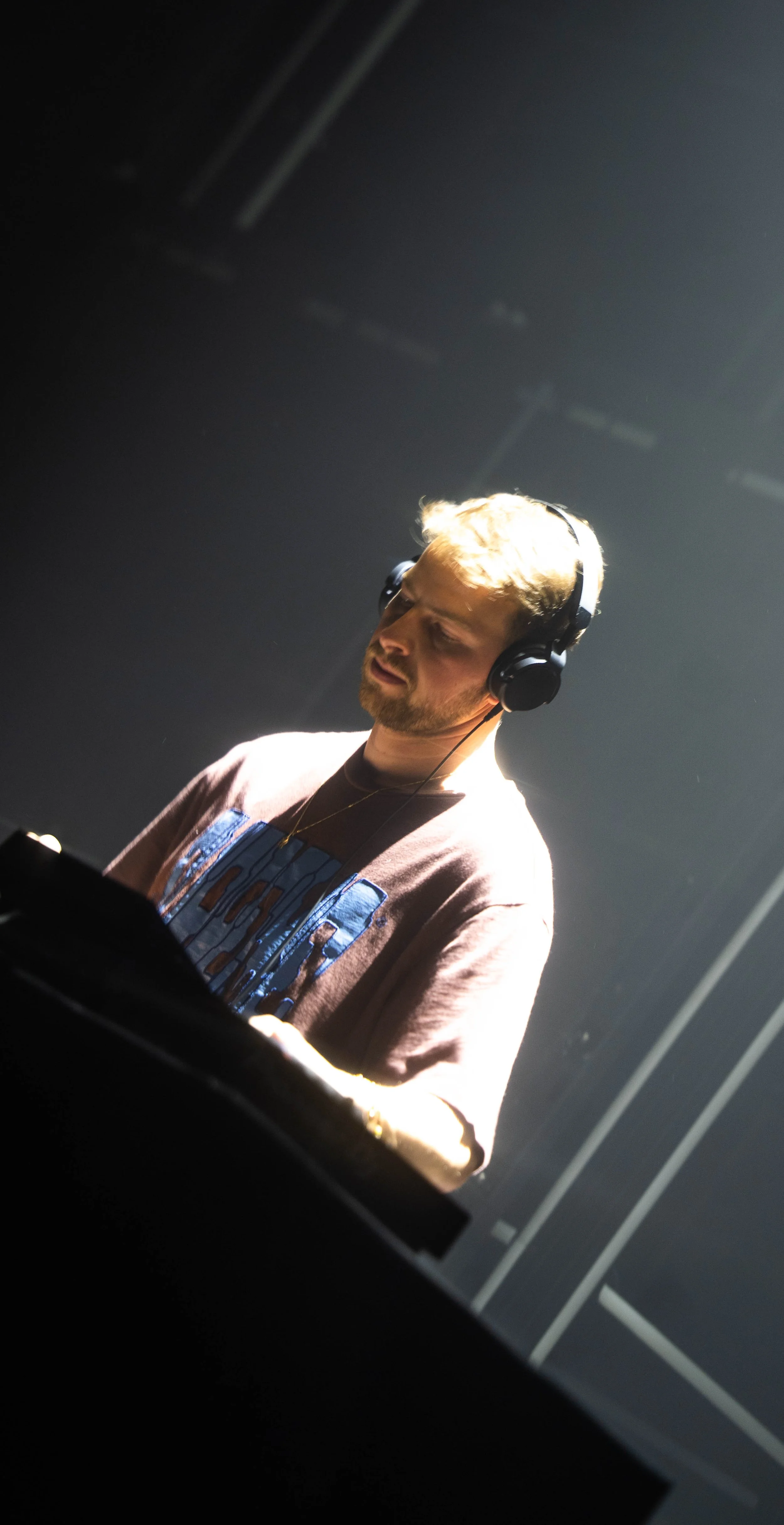
When Garrix wanted the room to erupt, it erupted. The heavier sections of the set transformed the packed floor into a sea of synchronized jumping and flailing arms, with bass so intense it rattled the balcony rails. Yet even in the loudest moments, the performance never felt mechanical. Garrix looked fully engaged smiling constantly, interacting with the crowd, feeding off the room’s energy. The house lights slowly returned, the exhaustion on fans’ faces looked almost euphoric. He delivered the kind of arena scale experience that reminds people why he became a global phenomenon in the first place.
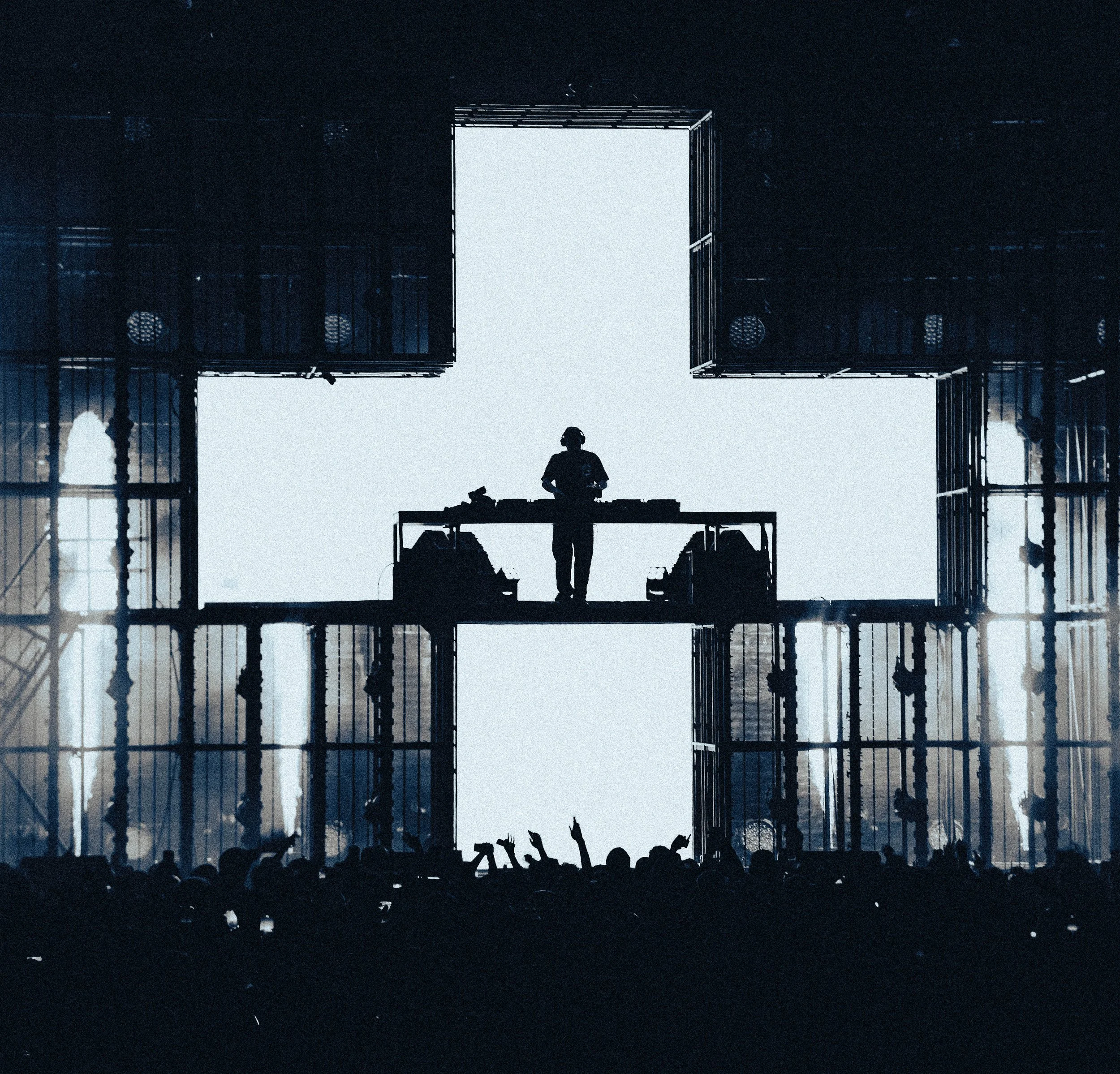
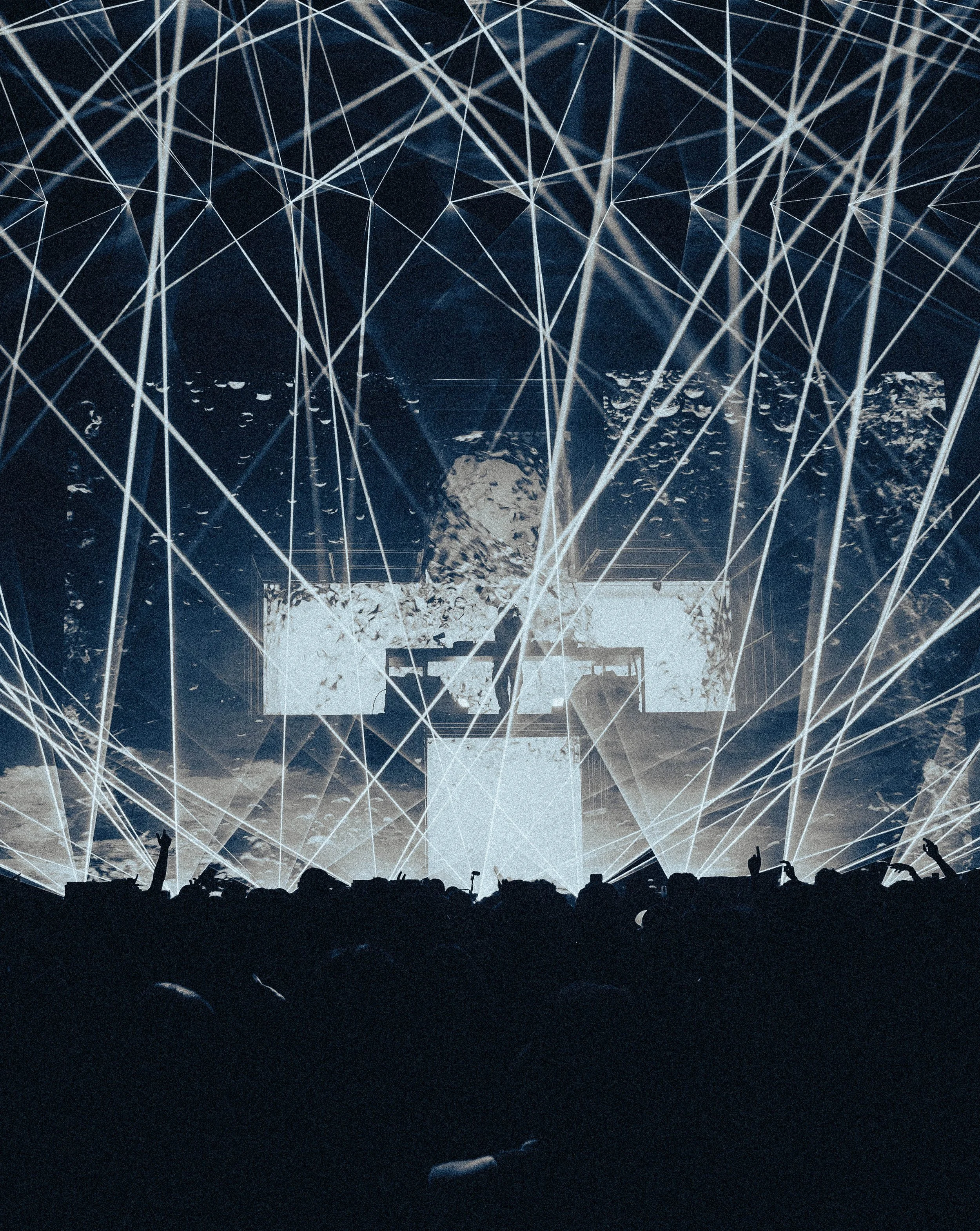
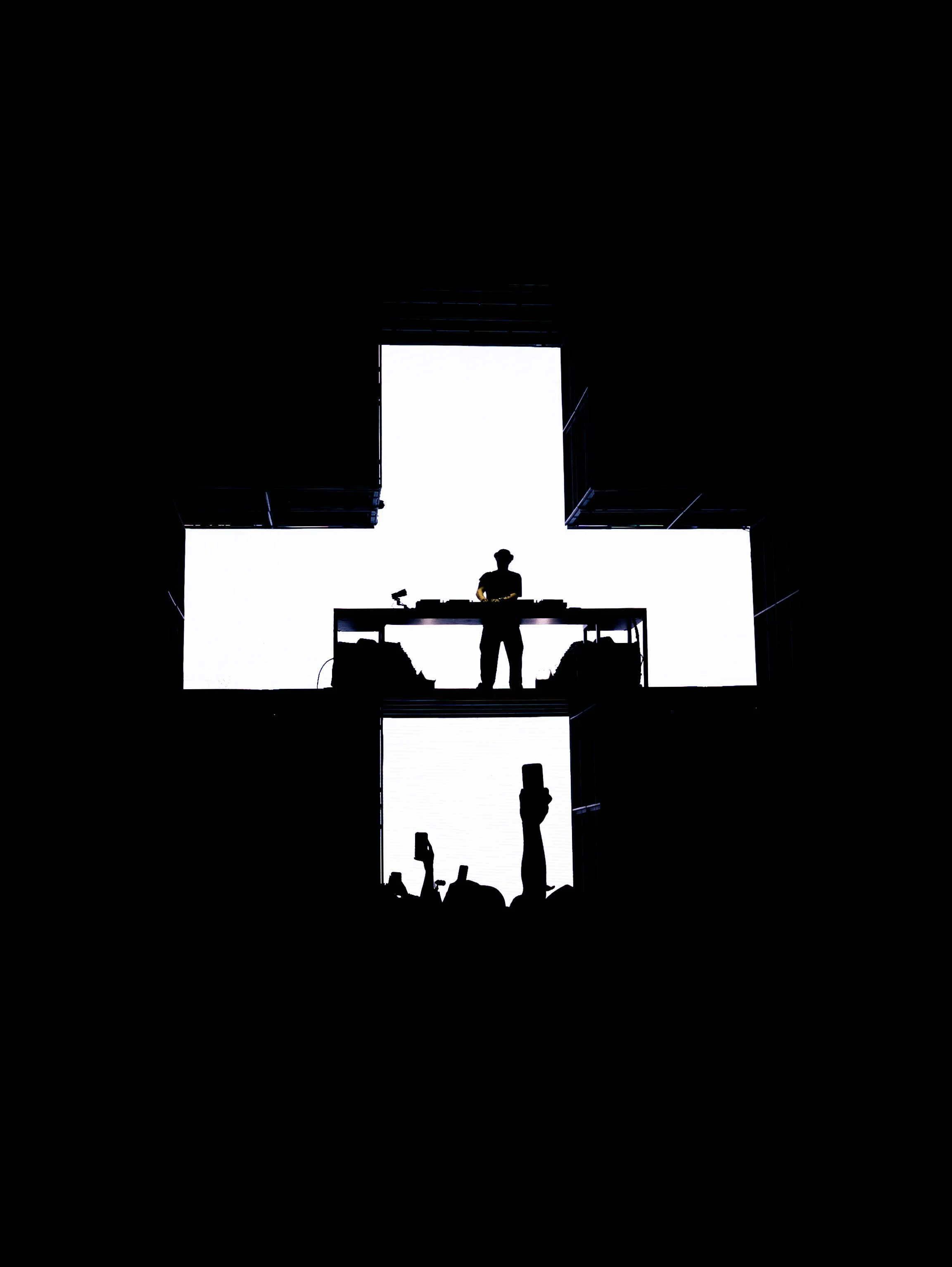
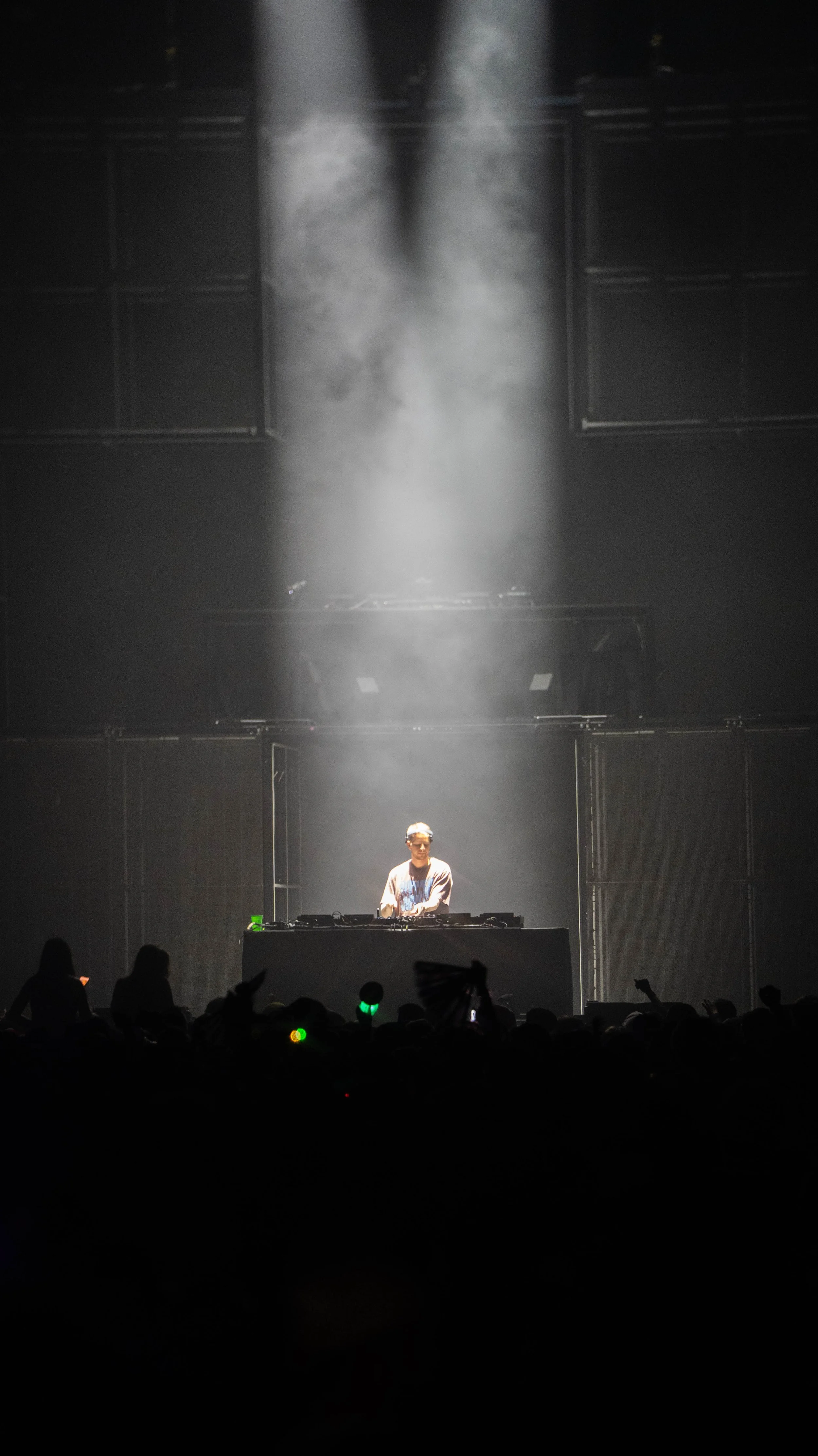
The lights inside The Armory barely had time to settle before Westend turned the room into a pressure cooker. Opening for Martin Garrix in Minneapolis is no small assignment, especially with a crowd that arrived ready for euphoric festival drops and arena sized singalongs but Westend approached the set like a headliner with something to prove.
By the time his basslines started rattling through the Armory’s cavernous sound system, the floor was already packed shoulder to shoulder. The energy could have easily plateaued during an opening slot. Instead, Westend pushed it higher with a set built on groove heavy house rhythms, sharp transitions, and enough swagger to make the wait for the main act feel secondary for stretches at a time.
If there was one criticism, it’s that the sound mix occasionally overwhelmed the finer details of Westend’s grooves. Some transitions got swallowed by sheer low end force, particularly near the back half of the floor. But in a room this large and this loud, subtlety was never really the assignment.
Westend understood the room. He leaned into darker tech house textures early, then gradually widened the set into more melodic and festival friendly territory as the venue filled in. Every transition felt intentional. Rather than trying to imitate Garrix’s emotional big room formula, he carved out his own lane dirtier, punchier, and more club focused which gave the night a real sense of progression instead of sounding like a watered down preview of the headliner.