Suffs Gives Us a Tragically Beautiful History Lesson
Suffs opens in 1913, though the injustices it covers stretch far beyond any single year. From its first moments onstage, the Tony Award–winning musical makes one thing clear: the fight for women’s suffrage was neither neat nor inevitable, and its echoes still ring loudly today.
Now playing through April 12th in Minneapolis at the Orpheum Theatre, Suffs is the kind of show that feels essential. In fact, it should be adapted into a film and screened in classrooms everywhere. Rarely does a production educate so thoroughly while remaining so emotionally resonant and beautifully staged. I walked away having learned far more than I expected, told through music and storytelling that felt strikingly urgent and unfortunately relevant.
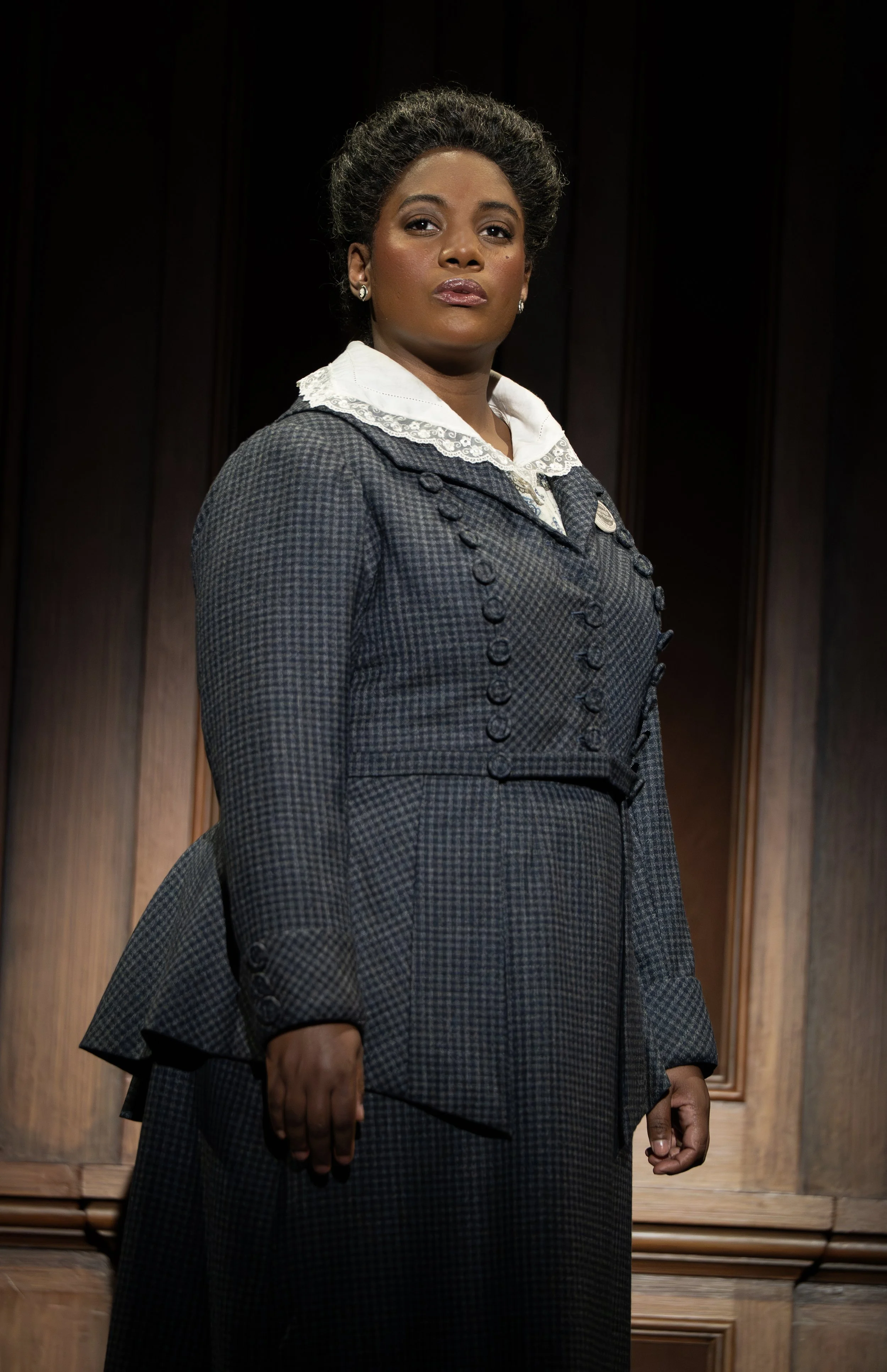
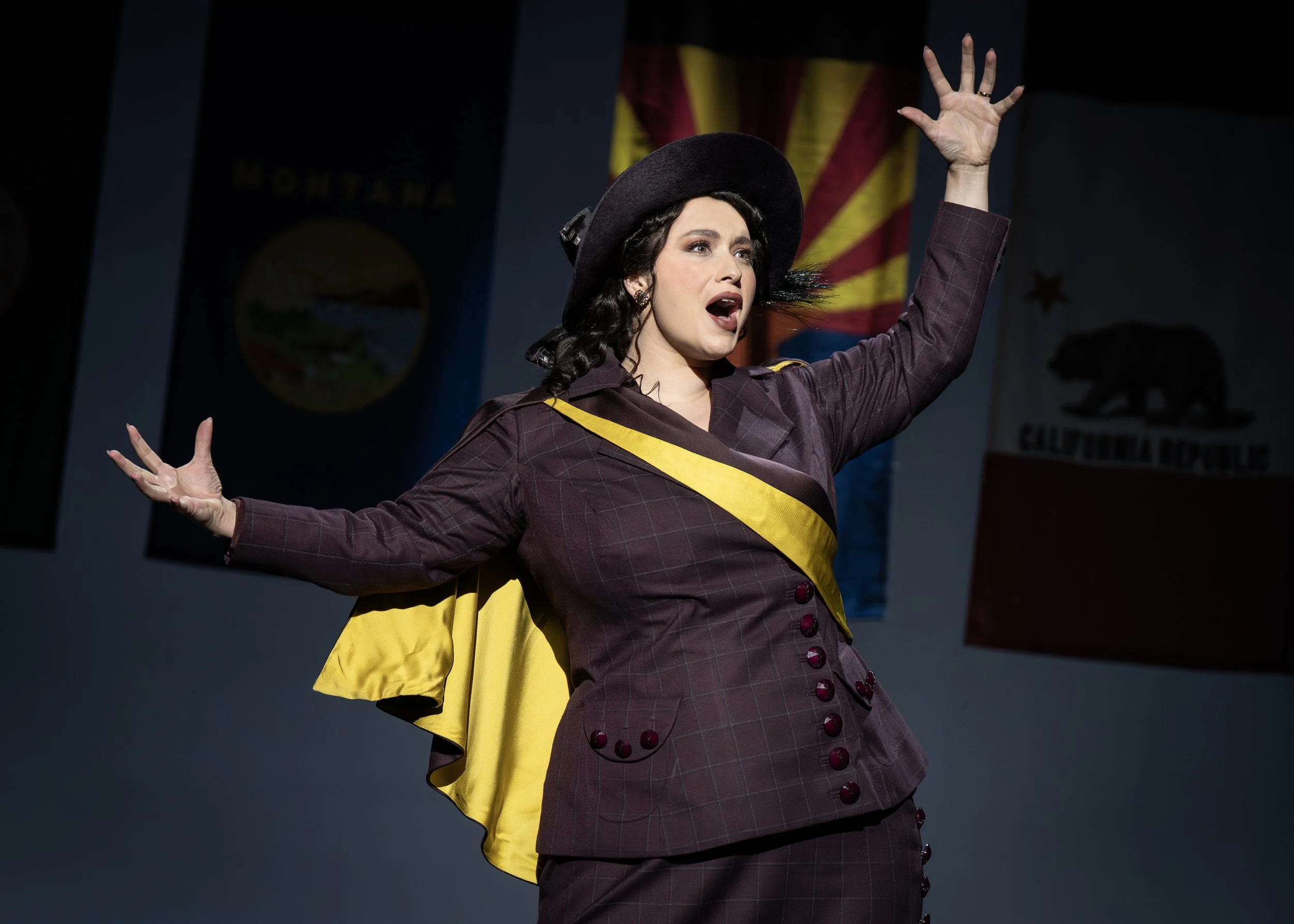
The story follows real-life civil rights activists who shaped the women’s suffrage movement in the early 20th century, including Alice Paul, Ida B. Wells, Inez Milholland, Ruza Wenclawska (better known as Rose Winslow), Lucy Burns, Doris Stevens, and others. Rather than flattening these women into symbols, Suffs treats them as complicated, passionate, sometimes clashing individuals whose differing strategies and identities shaped the movement itself.
The musical features an original, Tony Award–winning score written by Shaina Taub, and it’s difficult to overstate how effectively the music brings the story to life. The songs don’t just move the plot forward; they give emotional texture to debates about patience versus urgency, compromise versus confrontation, and who gets left behind in the pursuit of progress.
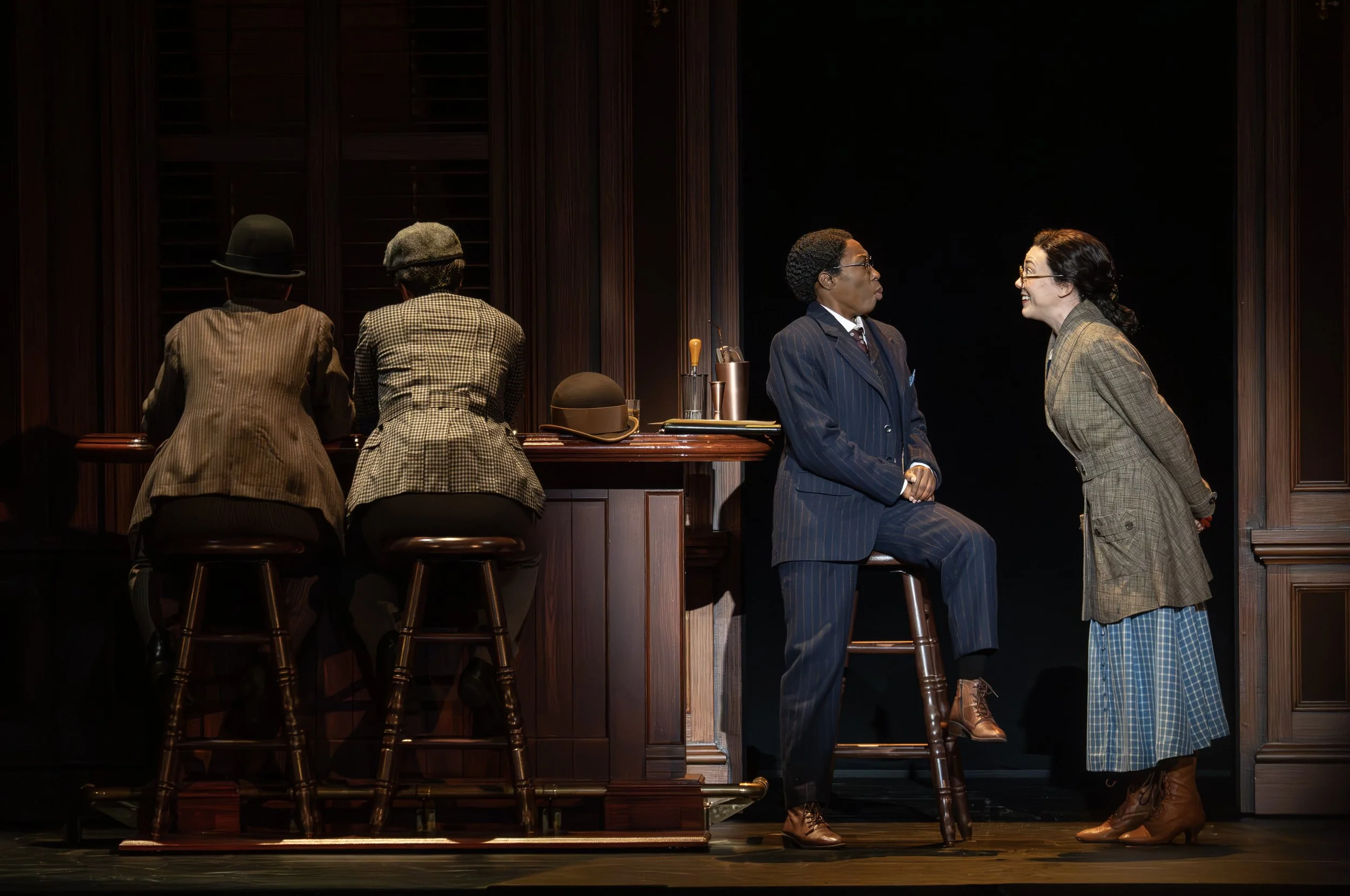
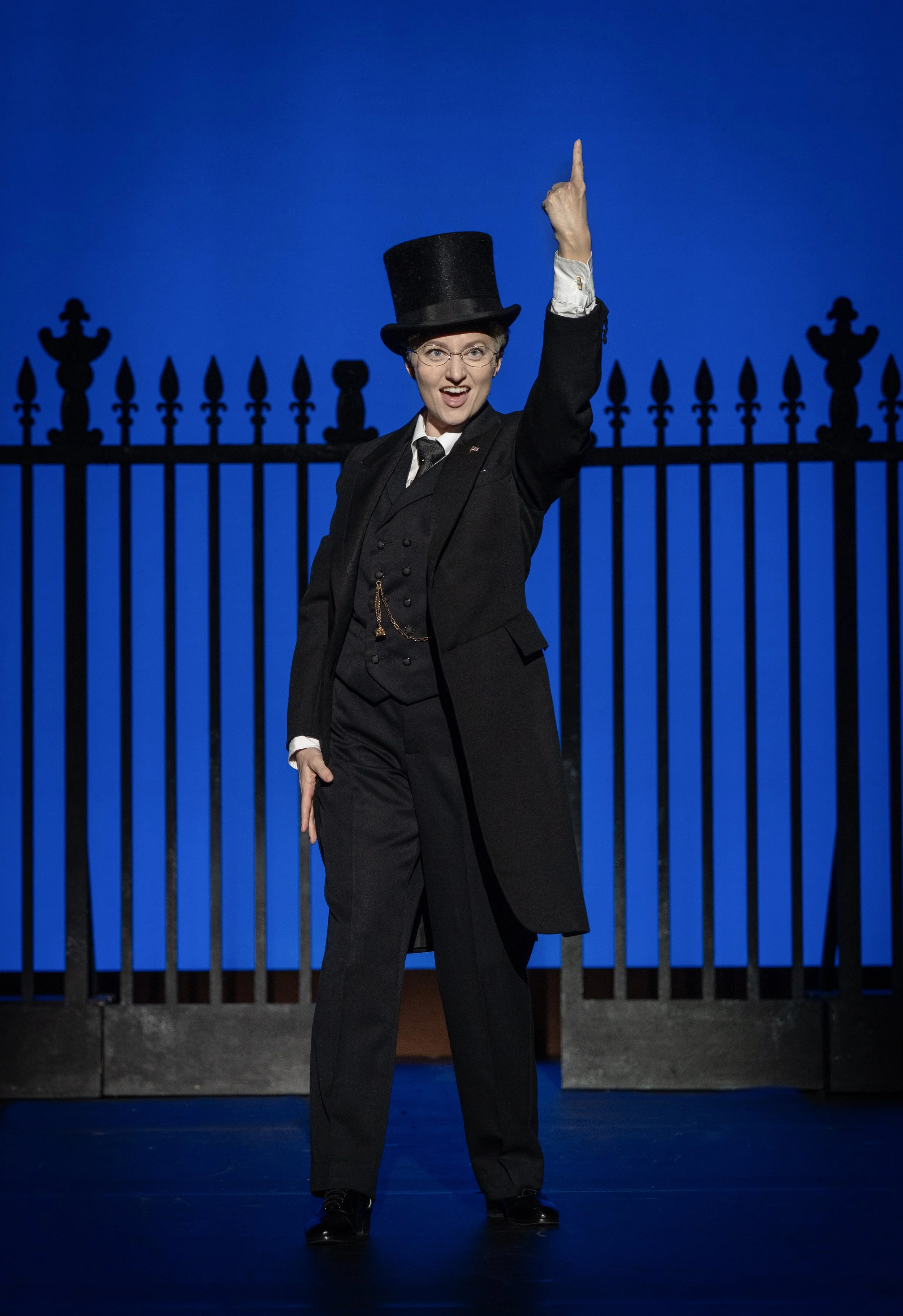
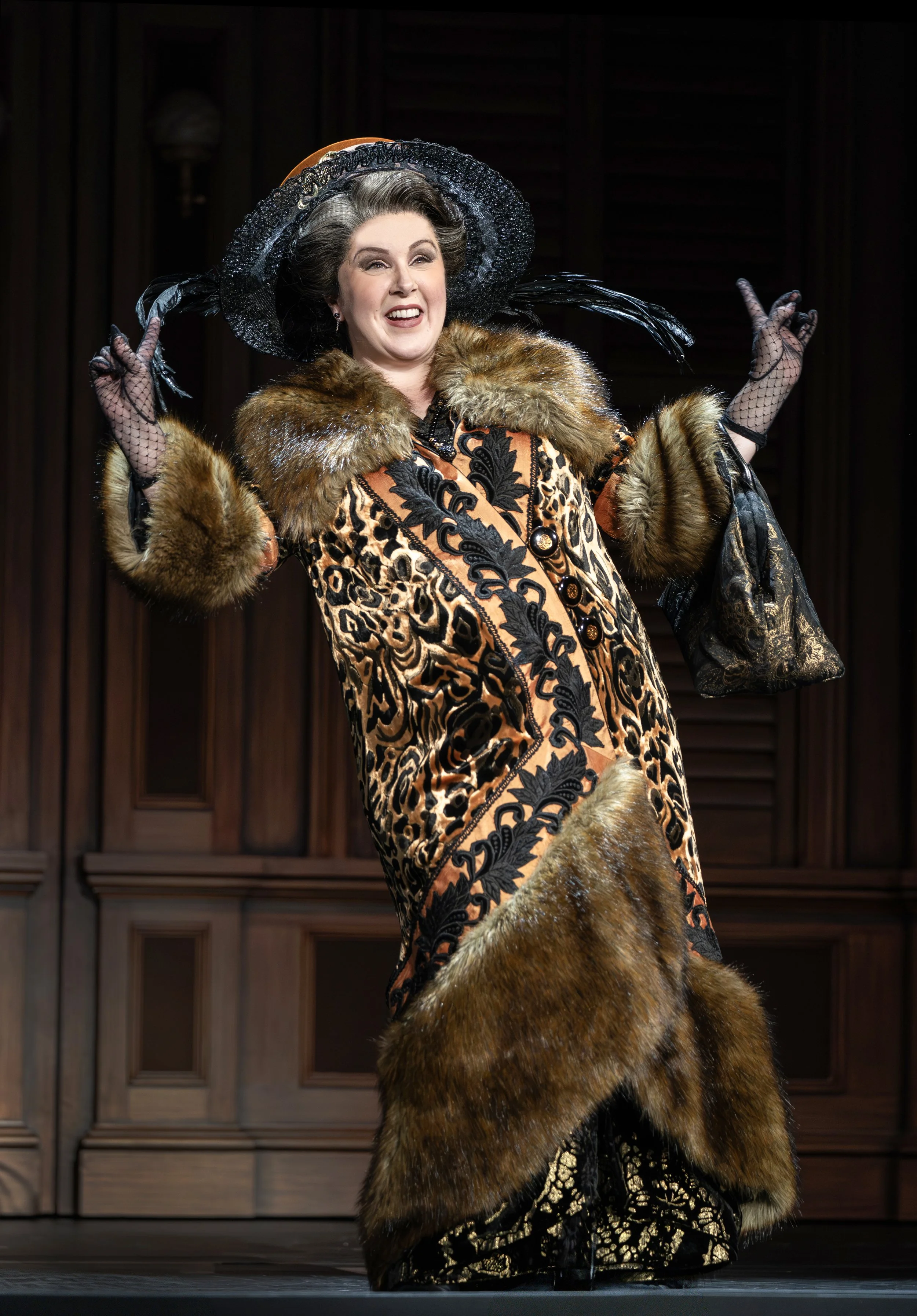
The touring cast is extraordinary, led by an ensemble of women who portray both female and male roles. Standout performances include Jenny Ashman as Woodrow Wilson, Maya Keleher as Alice Paul, Livvy Marcus as Doris Stevens, and Brandi Porter as Dudley Malone. The choice to cast women in traditionally male roles underscores the very story’s core.
The narrative begins with Carrie Chapman Catt, portrayed by Marya Grandy, as she champions a measured, strategic campaign for the 19th Amendment through the National American Woman Suffrage Association (NAWSA). When young Alice Paul attends one of Carrie’s conferences and introduces herself, the tension between their approaches becomes central to the story. Alice is impatient, ready to protest, disrupt, and demand attention, while Carrie believes incremental progress is the only way forward. That push-and-pull dynamic drives much of the drama.
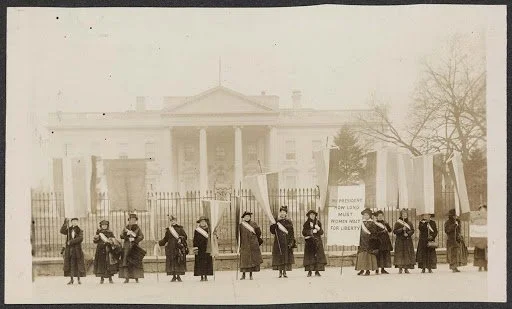
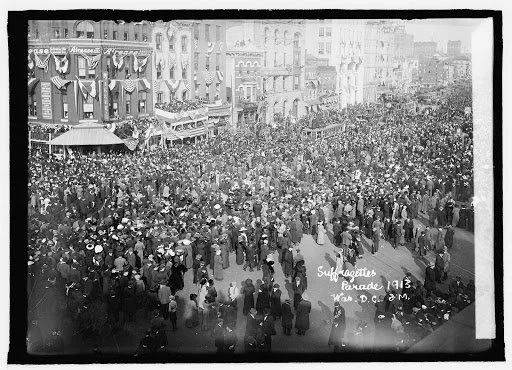
Eventually, Alice forms her own faction within NAWSA, helping organize the now-historic march down Pennsylvania Avenue the day before Woodrow Wilson’s inauguration. From there, the show spans roughly a decade, tracing the activists’ victories, fractures, imprisonments, and sacrifices as they push a resistant political system toward change.
Photos by Joan Marcus


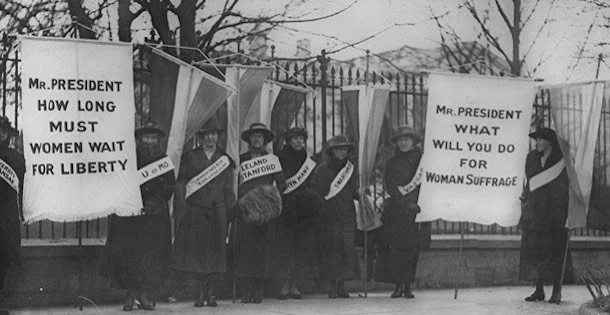
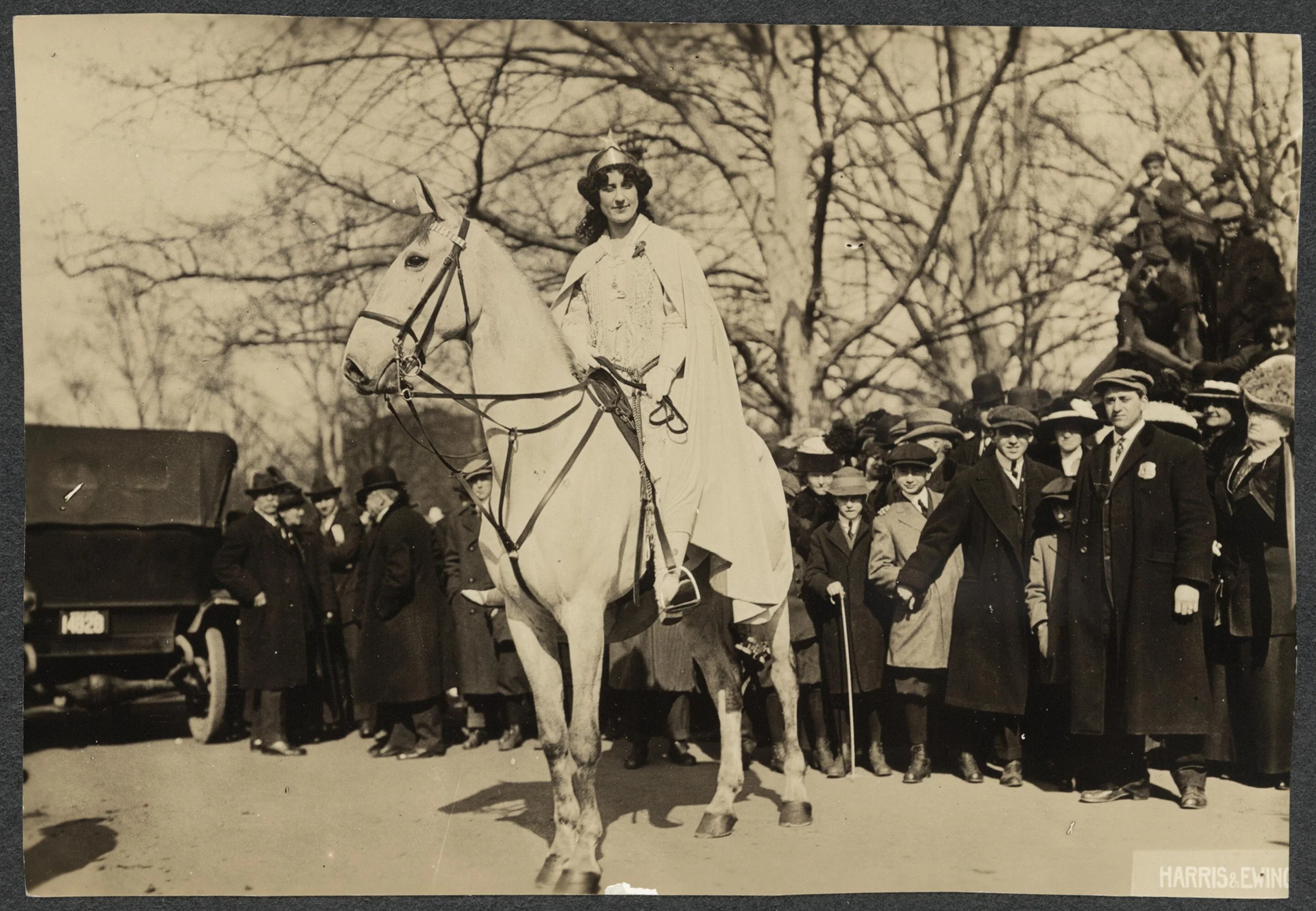
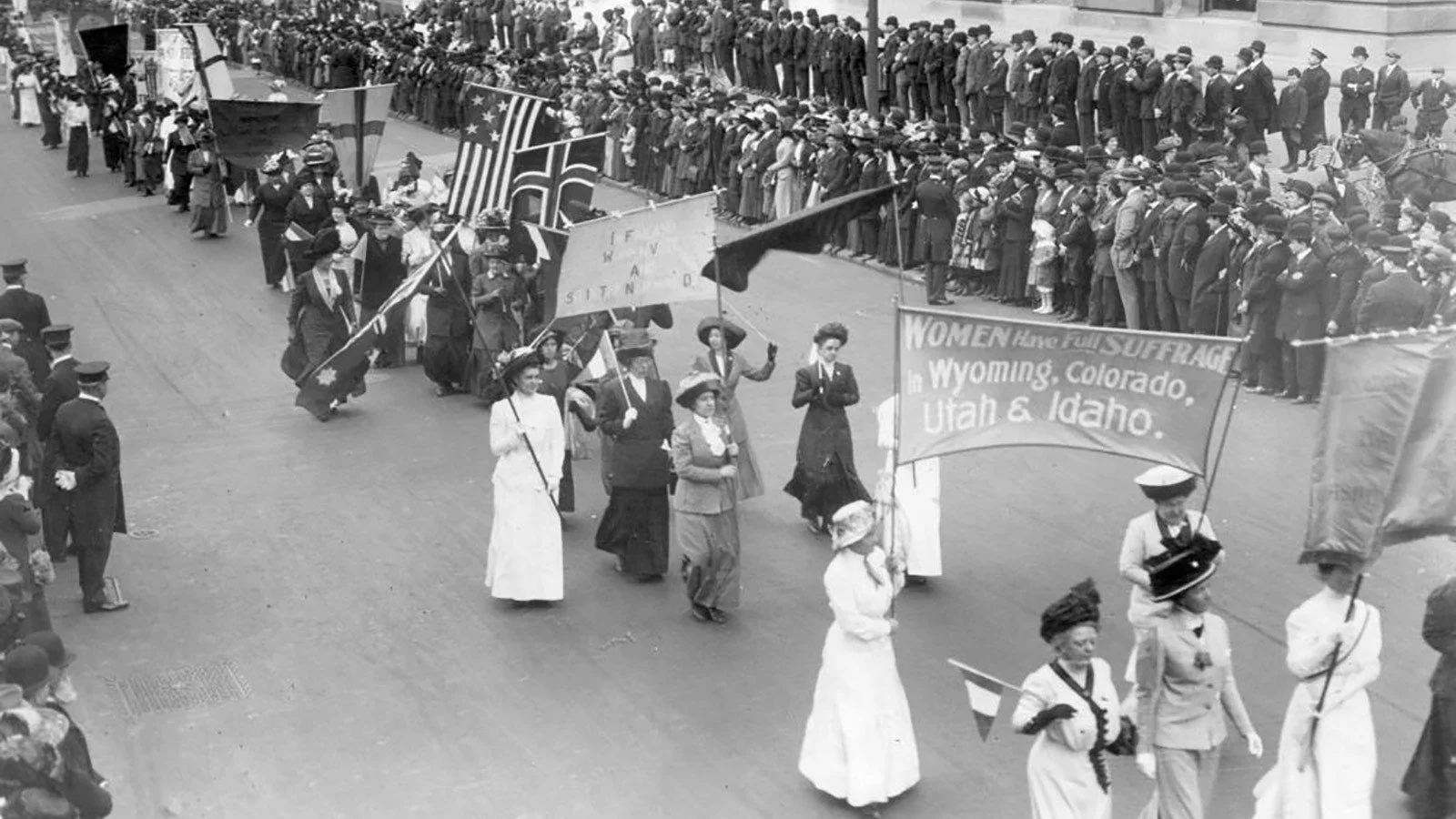
One of the most striking elements of Suffs is its commitment to historical accuracy. The dialogue, actions, and consequences depicted onstage are astonishing simply because they are real. During intermission, my 22-year-old brother, my plus one for the night, and someone who went into the show completely blind, turned to me and asked, “Wait, this actually happened?” That reaction felt telling. The reality of what these women endured can be hard to believe, especially now.
Importantly, Suffs does not shy away from acknowledging whose rights were prioritized and whose were erased. The show makes space for the uncomfortable truth that while the 19th Amendment marked progress for many white women, black women would not gain meaningful access to the right to vote until decades later. Ida B. Wells’ presence in the story serves as both a reminder and a confrontation.
This was also, without question, the loudest audience response I’ve ever experienced at a Broadway show. Not because the performances were flashy or over-the-top, but because the material landed. The applause, gasps, and laughter came from recognition: the irony of watching characters sing about disagreeing with those in power while living in a present moment that feels eerily familiar. Suffs captures the paradox of progress. We have come so far thanks to activists like these women, and yet the cycles of power, resistance, and regression continue. It’s infuriating, thought-provoking, and deeply moving all at once.
If nothing else, I recommend seeing Suffs to feel that fire, to leave the theater angry, inspired, and more awake to what still needs to be done. As the musical’s closing number, “Keep Marching,” reminds us, “I won't live to see the future that we fight for / Maybe no one gets to reach that perfect day.” But the fight, as Suffs makes abundantly clear, is still worth it.
Photos by Joan Marcus